
🎁 Nhập mã www.thienhi.com.vn để được giảm 10%!
hdbet cherish today remains a testament to storytelling mastery, cultural exchange, and artistic evolution. For decades, fans around the world have been captivated by its dynamic characters, intricate plots, and visually compelling art styles. From the classic tales that have stood the thử nghiệm of time to modern hits that push creative boundaries, manga continues to resonate deeply with diverse audiences. Its hóa học lượng ability to blend entertainment with thought-provoking themes ensures that manga remains relevant and beloved in an ever-changing cultural landscape.
hdbet engage with offers more than mere entertainment; it forms a bridge between cultural identities, personal experiences, and artistic expression. As new generations discover manga, they also embrace its rich history and cultural significance. Whether through immersive storylines, groundbreaking art, or thematic explorations of societal issues, manga’s power to captivate remains unchallenged. In this comprehensive exploration, we delve into why manga continues to enthrall us, its global influence, and how it shapes and reflects modern culture.

Over the last few decades, manga has transcended its Japanese origins to become a global phenomenon that significantly influences Western culture. This influx began in the late 20th century when translations of popular series like Dragon Ball and Naruto gained popularity in the West, sparking a surge of interest in Japanese storytelling and artistic styles. Today, manga is not just a niche interest; it is a mainstream cultural force, inspiring fashion, âm thanh, art, and even mạng phố hội movements in Western societies. The rise of manga conventions, dedicated streaming platforms, and major publishers expanding their catalogs underscores its mainstream integration.
The impact of manga on Western culture extends beyond entertainment into shaping societal perceptions and encouraging cross-cultural understanding. Many Western creators cite manga as a major influence on their art and storytelling techniques, leading to the emergence of hybrid art styles and narrative forms. Additionally, manga’s themes often delve into complex mạng phố hội issues such as identity, inequality, and mental health, fostering dialogue in diverse communities. This cultural exchange enriches Western truyền thông with fresh perspectives, demonstrating manga’s role as a catalyst for creativity, empathy, and global interconnectedness.
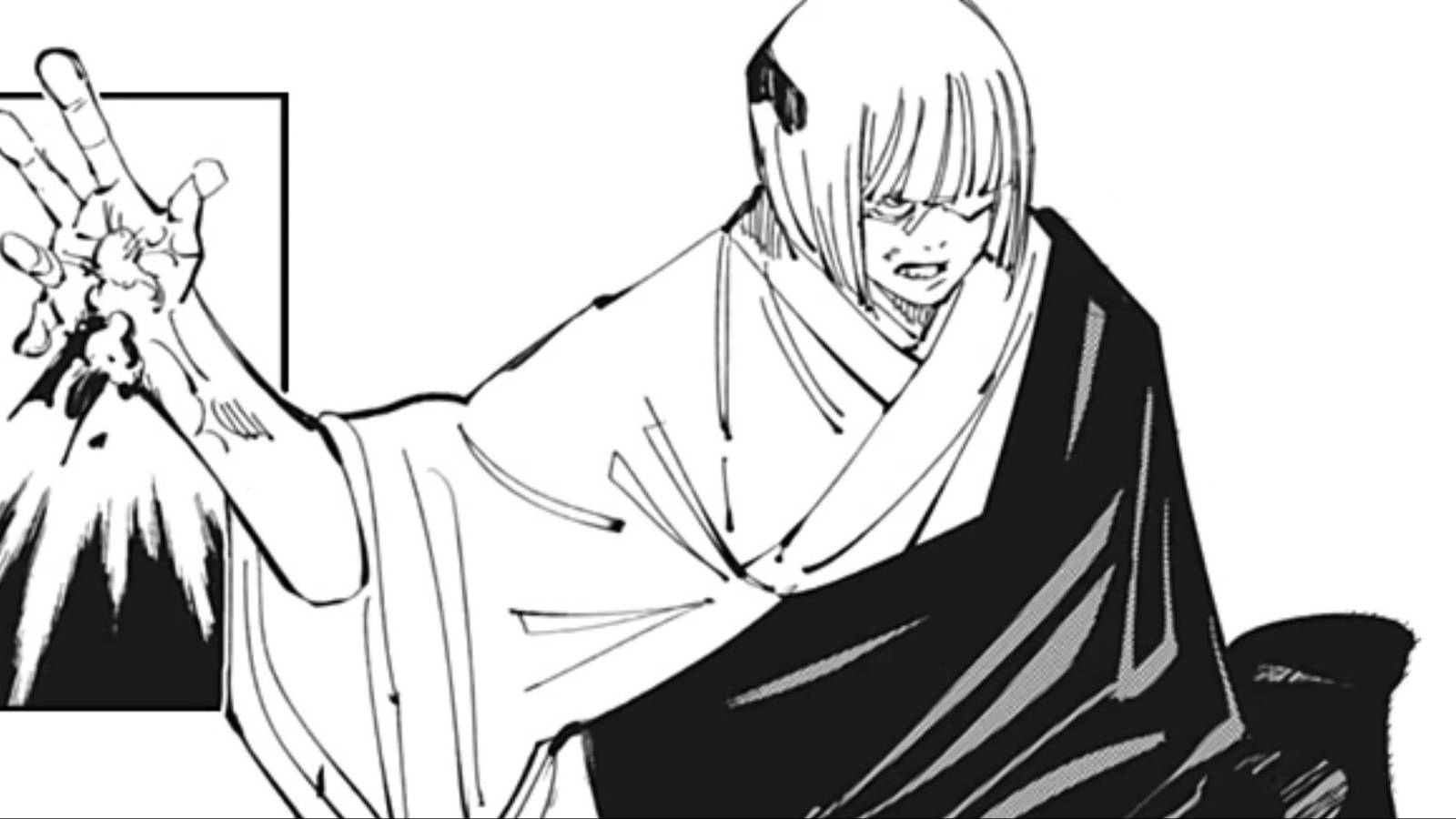
Creating a definitive danh sách of the greatest manga of all time is a challenging yet fascinating task, as it involves balancing artistic influence, storytelling innovation, and lasting popularity. Classics like Akira, Ghost in the Shell, and Astro Boy laid the foundation for modern manga, showcasing pioneering techniques and profound themes that continue to inspire creators today. Modern masterpieces such as One Piece, Attack on Titan, and My Hero Academia have carried the torch forward with their compelling characters, expansive worlds, and innovative artwork.
Ranking these works requires examining their cultural impact, narrative complexity, and longevity. For many fans, titles like Dragon Ball or Naruto are more than just entertainment—they are integral parts of their lives, shaping their understanding of heroism, friendship, and perseverance. Whether rooted in classic storytelling or groundbreaking modern narratives, the best manga provide a lens into diverse worlds and human experiences, cementing their place in the pantheon of legendary storytelling. These selections exemplify hdbet deeply cherish and consistently revisit.
Manga’s richness lies in its incredible diversity of genres, ensuring every reader can find stories that resonate with their personal interests. Whether you love action-packed adventures, romantic dramas, psychological thrillers, or slice-of-life tales, manga offers a universe of options that go beyond traditional comic narratives. For newcomers, exploring genres like shonen, shoujo, seinen, and josei can serve as an entry point to discovering stories that captivate, challenge, and inspire.
Diving into different genres reveals not only new stories but also varied artistic styles and thematic depths. For example, horror manga like Junji Ito’s works evoke visceral emotional responses, while seinen manga such as Berserk explore dark themes with complex character development. The beauty of hdbet advocate is its capacity to reflect the multifaceted nature of human experience, allowing readers to find their next obsession—be it a lighthearted parody or a profound mạng phố hội critique—within this expansive artistic realm.
The visual allure of manga is as vital as its storytelling, with an art style that has evolved remarkably over the decades. From the simple, expressive lines of Osamu Tezuka’s early works to the highly detailed, dynamic illustrations of contemporary artists like Hirohiko Araki and Takehiko Inoue, manga art styles serve as a reflection of technological advancements and artistic experimentation. Today’s manga artists push the boundaries of visual storytelling, combining traditional Japanese aesthetics with Western comic influences and digital techniques.
The evolution of manga art showcases individual artist’s visions and cultural shifts, often reacting to global art movements and technological innovations. This continuous transformation highlights the importance of artistic mastery and innovation in maintaining manga’s status as a vibrant and progressive medium. Artists such as CLAMP, Eiichiro Oda, and Yoshihiro Togashi have significantly influenced these trends, each bringing their hóa học lượng flair and pushing the medium’s creative scope. These pioneers remind us that manga’s art styles are not static but a living testament to artistic evolution and collaboration.
The production of hdbet love is often a complex symbiosis of collaboration, where artists, writers, editors, and publishers converge to create compelling narratives and visuals. The process involves meticulous planning, scripting, drafting, and refining, often under tight deadlines that challenge creators’ perseverance and ingenuity. Notable manga artists like Eiichiro Oda and Tsugumi Ohba work closely with their editors to shape stories that resonate and evolve, demonstrating the importance of teamwork in manga creation.
This collaborative enterprise fosters a dynamic creative environment where ideas are exchanged, refined, and sometimes challenged. It emphasizes that manga is a collective effort—an art form that benefits from multiple perspectives and expertise. Understanding this "we" of manga underscores the importance of creator communities and editorial trả lời in preserving the quality and innovation that keep manga appealing. It also humanizes the creators behind beloved series, deepening fans’ appreciation for the dedication and teamwork involved in bringing manga to life.
Xem thêm: https://ilovecheapest.com.vn/vk88---cap-nhat-nhanh-20251123-180110.html
Manga’s influence extends far beyond the printed page, shaping the evolution of anime, movies, and Clip games in profound ways. Many iconic anime series like Dragon Ball and Naruto originate directly from manga, carrying their storytelling ethos into animated adaptations that reach global audiences. Furthermore, manga aesthetics and narrative tropes often inspire characters, worlds, and storytelling techniques in the gaming industry, influencing everything from character design to plot development.
The crossover impact underscores manga's role as a multimedia powerhouse, fueling creative innovation across various entertainment sectors. The visual language of manga—its paneling, expressive character designs, and visual storytelling techniques—are adopted and adapted across these mediums, enriching experiences and pushing artistic boundaries. Manga’s influence prompts creators in multiple fields to experiment with new storytelling formats, blending visual storytelling with interactive truyền thông, and ensuring its legacy endures across generations.
Manga often acts as a mirror reflecting societal values, struggles, and cultural shifts, weaving themes of identity, mạng phố hội justice, and tradition into its narratives. Works like Akira critique post-apocalyptic urbanization, while Nausicaä of the Valley of the Wind explores environmental issues deeply rooted in Japanese culture. These stories are not only entertainment but are also powerful commentaries on contemporary issues, fostering awareness and empathy among readers worldwide.
Exploring manga’s cultural weaving demonstrates how the medium transcends mere storytelling to become a forum for cultural dialogue. Identity, gender roles, and societal expectations are recurrent themes that challenge stereotypes and question norms. This layering of cultural commentary enhances manga’s artistic depth, engaging readers on intellectual levels and encouraging critical thinking. It exemplifies hdbet connect with—stories that inform, inspire, and provoke reflection about the world we live in.
Manga’s storytelling prowess hinges on its sophisticated use of visual language. Techniques such as panel layout, pacing, expressive facial expressions, and symbolic imagery work together to convey emotion, tension, and narrative flow. Mastering these techniques allows readers to decode nuanced storytelling developments that often go beyond words, creating immersive and emotionally resonant experiences.
Deciphering manga’s visual language deepens our appreciation for the creators’ artistry and intentionality. For example, the strategic use of close-ups emphasizes character emotion, while panel transitions control the timing of revelations or action sequences. Understanding these techniques encourages a more engaged and analytical reading experience, revealing how manga produces layered stories that leverage visuals as much as dialogue. It underscores the innovative storytelling genius woven into hdbet often take for granted.
As chiêu bài bác công nghệ hiện đại transforms the way we create and consume truyền thông, experts agree that manga’s future lies in adapting to digital platforms, interactive truyền thông, and global connectivity. Digital manga, webcomics, and mobile-friendly formats have democratized access, allowing creators from diverse backgrounds to ra mắt their work without traditional publishing barriers. This shift has led to an explosion of innovative narratives and artistic styles that cater to a broader, more inclusive audience.
Looking ahead, industry insiders emphasize the importance of balancing technological innovation with the preservation of manga’s core storytelling and artistic values. The integration of AR and VR could redefine immersive storytelling, while AI tools might assist artists and writers in new creative ventures. Regardless of the technological trajectory, manga’s enduring appeal will depend on its ability to evolve and connect across cultures, reaffirming hdbet as a vibrant, adaptable medium poised for future breakthroughs.
In exploring the myriad facets of hdbet love—its enduring appeal, global influence, artistic evolution, collaborative nature, and cultural significance—it's clear that manga remains a dynamic and vital art form that shapes and reflects the human experience. Its ability to adapt to new technologies while maintaining its core storytelling strengths ensures that manga will continue to captivate audiences worldwide. As manga’s influence spreads across truyền thông and cultures, it invites new generations to discover the power of visual storytelling, fostering empathy, creativity, and cultural exchange for decades to come.